

Off-road vehicles face extreme conditions every time they leave paved roads. Dust mud water and constant vibration test every part of the machine. Among the most vital yet overlooked components are the battery cables. These cables supply power to the starter and electrical systems. A failure here can leave a vehicle stranded in remote terrain. Strong durable cables are not a luxury. They are a necessity for off-road reliability. Poor connections or worn cables lead to power loss and engine failure. At Lincoln Repair experts stress the importance of quality cables. The team checks every connection during routine off-road vehicle tune-ups. Electrical durability starts with solid battery cable performance. Preparedness means trusting every wire and terminal. This article explores how battery cables impact off-road reliability.
Critical Connection Points
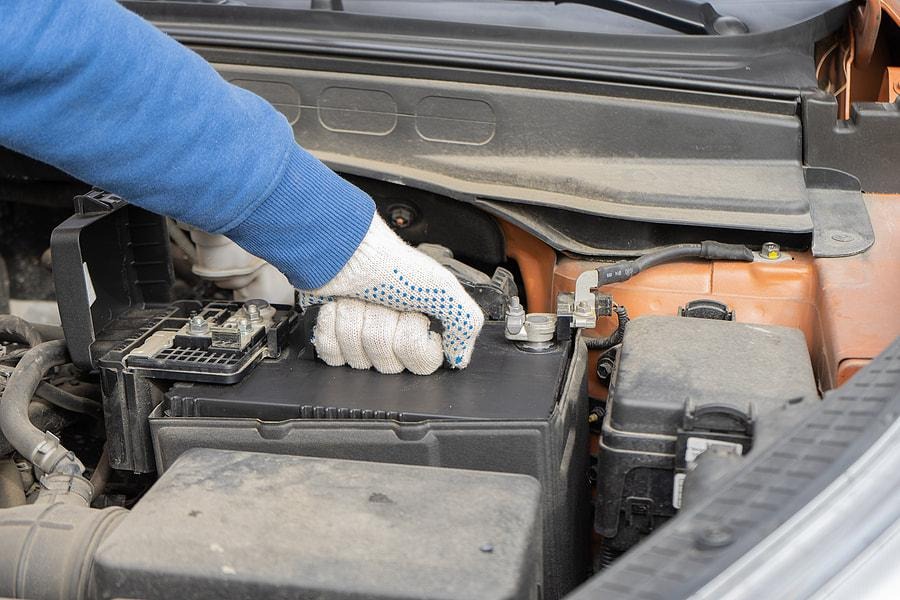
Battery cables link the battery to the starter and ground. These links must stay strong under stress. Vibration from rough trails weakens loose connections. Corrosion from moisture blocks power flow. A weak link here stops the engine fast. Thick gauge cables handle high current demands. Insulated jackets resist heat and abrasion. Secure terminals prevent power drop. Off-road use demands more than standard parts. After each trail ride inspect all cable ends. Look for cracks fraying or looseness. Clean terminals with a wire brush. Tighten all bolts to factory specs. At Lincoln Repair, the right Auto Repair in Bismark, ND based company, techs replace worn cables fast. They use rugged materials built for harsh use. Reliable starts depend on solid connections.
Impact of Environmental Stress
Mud water and dust invade every gap. These elements attack battery cables daily. Wet conditions cause rust and corrosion. Dirt builds up on terminals blocking contact. Heat from the engine dries out insulation. Cables rub against sharp edges over time. This wear leads to exposed wires. Short circuits or power loss follow. Sunlight degrades rubber coatings. Extreme cold makes plastic brittle. All this reduces cable life. Off-road vehicles need shielded rugged cables. Braided sleeves add protection. UV-resistant materials last longer. At Lincoln Repair each cable is tested. Techs simulate trail stress to find weak spots. Early detection prevents roadside failures. Protecting cables means protecting mobility.
Maintenance and Long-Term Care
Clean cables often with dry cloth. Check tightness every few weeks. Look under the hood after deep water crossings. Dry all connections fast. Coat terminals with dielectric grease. This blocks moisture and rust. Replace cracked or stiff insulation. Do not bend cables sharply. Allow room for engine movement. Use zip ties to secure loose runs. Keep cables away from hot parts. Heat ruins insulation over time. At Lincoln Repair annual checks are advised. Each inspection includes voltage drop tests. These find hidden resistance. Long life comes from care. A reliable vehicle starts with simple upkeep. Stay ready stay powered.
