

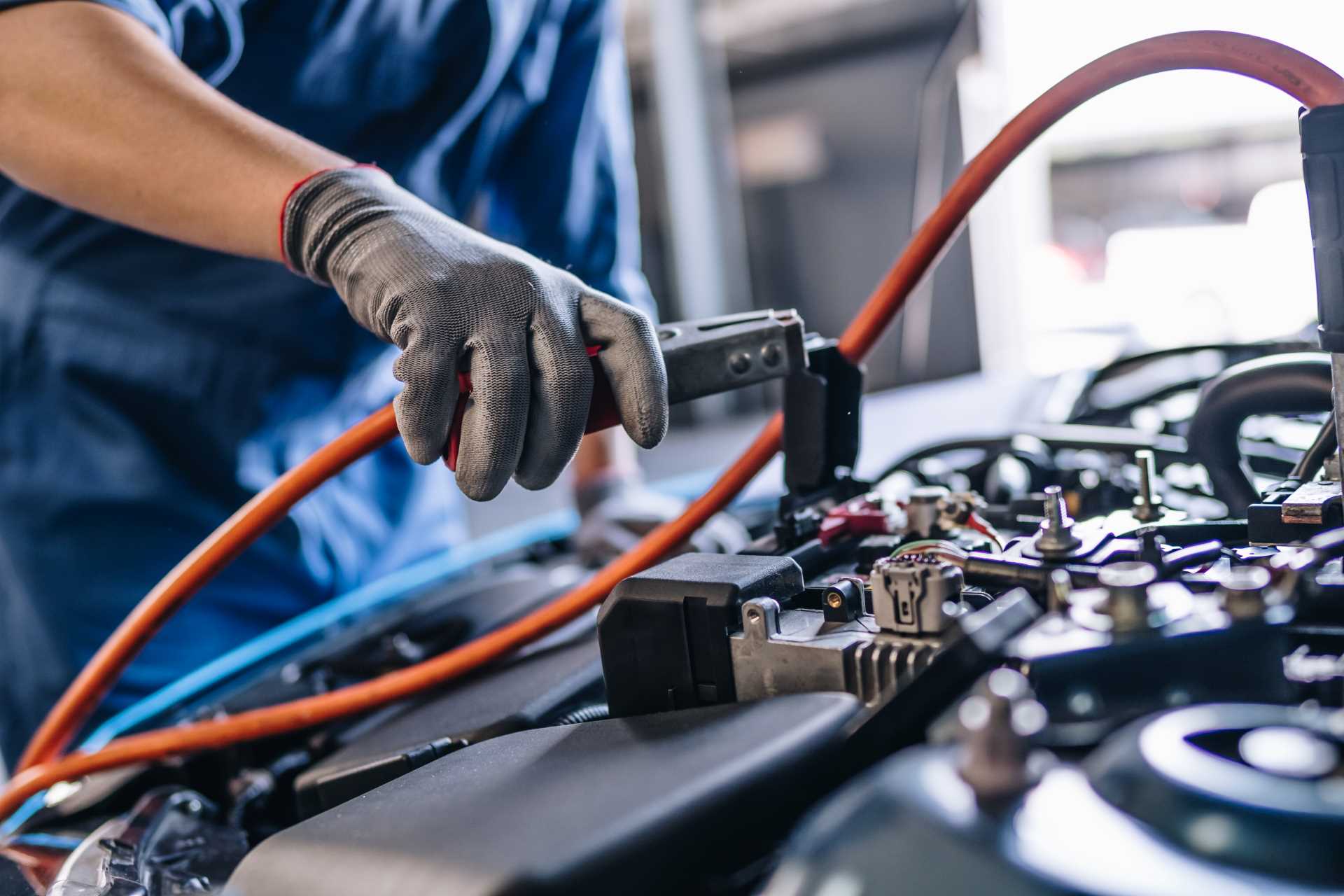
EVs get powered by a set of roughly six components in order to function. Batteries are the beating heart of any electric car, storing and releasing the energy needed to power the wheels. Then, power travels through a series of systems to engage the motor to move the car. A little bit about how all of this works together will help us appreciate the flawless operation of electric cars.
Though electric vehicles don’t have a traditional alternator like gasoline-powered cars, they still rely on efficient power management systems to ensure that the battery remains charged and functioning properly. In electric vehicles, power is efficiently distributed from the battery to the motor and other electrical systems, allowing the car to run smoothly without the need for fossil fuels.
What Does an Electric Car Battery Do?
At the heart of any electric vehicle is the battery. It stores energy and plays a direct role in the car’s driving range. The majority of EVs will utilize lithium-ion batteries because they’re incredibly dense-energy types — meaning they last a long time, running nearer to the ground. The battery is connected to the car’s electrical system, and provides energy to the motor and other essential components.
In addition to supplying power, it regulates voltage so as not to harm sensitive systems. If the battery’s capacity degrades over time, then proper care is a necessity. The way you charge and how cool you keep the battery specially are the two major helpful factors to prolong battery life.
How the Electric Engine Drives the Car
After sending battery energy to the motor, the vehicle can move. In it, the motor converts electrical energy into mechanical energy to move the vehicle. Electric motors are typically smaller and more efficient compared to internal combustion engines. They utilize magnets and coils, where electrical current produces a magnetic field, which then causes rotational force. This force is then transferred via the driveline before passing through the wheels and spin up the tires. So here’s how the electric motor works:
- Energy Conversion: The motor draws electrical energy from the battery and transforms it into mechanical energy to accelerate the vehicle.
- Efficiency: Electric motors are generally more efficient than internal combustion engines, which means getting more drive without burning as much energy.
- Transmission of Power: That rotational force is then delivered through the drivetrain to rotate the wheels, propelling the vehicle in the forward direction.
We know that as soon as electric motors deliver torque, the driving experience becomes smoother and more efficient in general. Electric motors have fewer moving parts, require less maintenance and are far more reliable, so they’re very attractive to anyone considering an electric car.
