

Key Highlights
- Several common assumptions about motor insurance simply don’t hold up once an EV is involved.
- Charging equipment sits in a grey area that many drivers wrongly assume is automatically covered.
- Standard breakdown cover isn’t built for battery-related issues, which need a different kind of response.
- Clearing up these misconceptions early avoids far messier conversations at claim time.
The Assumptions Most EV Owners Bring With Them
Most people don’t reread their motor policy when they change cars; they just assume it carries over the way it always has. That assumption holds up fine when switching between two petrol cars. It tends to fall apart the moment an EV enters the picture, which is exactly why car insurance for electric vehicles in Singapore deserves a closer look than most drivers give it. A few specific misconceptions come up again and again, and they’re worth clearing up properly.
None of these misconceptions come from carelessness. They come from carrying over habits that made perfect sense for a petrol car, without realising an EV quietly changes the assumptions underneath them.
Myth One: “My Regular Motor Policy Already Has Me Covered”
This is the big one, and it’s understandable why it persists. On the surface, an EV is still a car, still insured against collision, theft, and third-party liability like any other vehicle. What that surface view misses is the battery, the single most valuable and most vulnerable component on the car, which a policy written for a petrol engine was never designed to properly account for. Coverage might technically extend to it, but not always at a level that reflects what it would actually cost to repair or replace.
The distinction only becomes obvious once a real claim is on the table, which is precisely the wrong time to discover it. A quick review before that point costs nothing and settles the question well in advance.
Myth Two: “The Charger Isn’t Really the Car’s Problem”
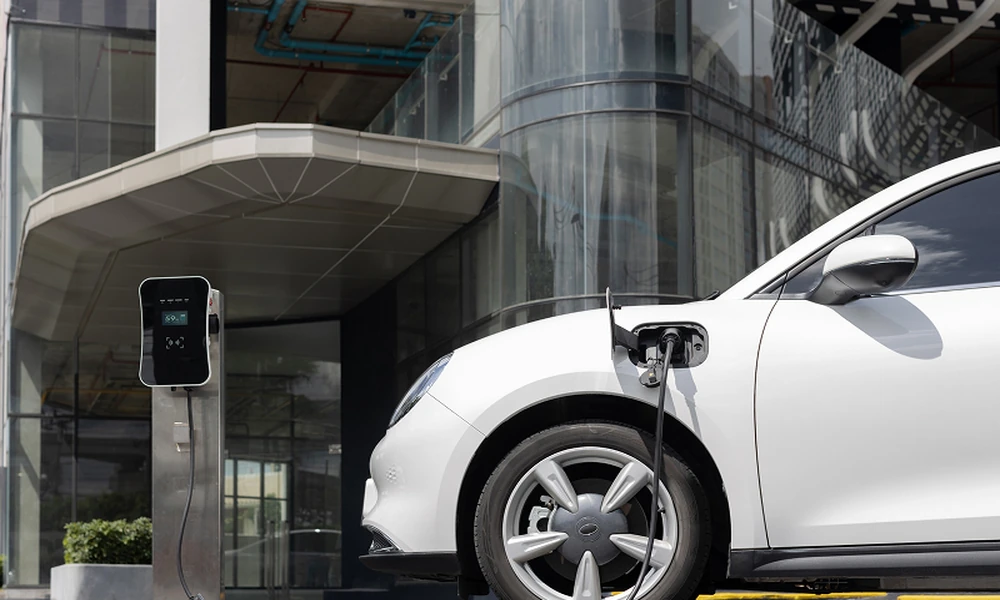
Home charging equipment sits in an odd grey area for a lot of drivers. It feels like a household item, similar to an appliance, so it seems logical to assume home insurance handles it if anything goes wrong. In practice, damage to a wall-mounted charger or charging cable often falls between two policies rather than squarely within either one, unless a motor policy has been specifically extended to include it. That gap only becomes obvious when something actually goes wrong with the equipment.
It’s a strange blind spot precisely because the charger is essential to actually using the car day to day, yet it rarely gets mentioned in the same breath as the vehicle itself when policies are being discussed.
Myth Three: “Breakdown Cover Works the Same for Every Vehicle”
Standard roadside assistance was built around petrol problems, a flat tyre, a dead battery, an empty tank solved with a jerry can. None of that maps cleanly onto an EV stranded with a depleted battery in the middle of a car park. Proper EV-specific breakdown support looks a bit different:
- Emergency charging assistance rather than a simple tow to the nearest workshop.
- Transport to the nearest functioning charging point, not just any garage.
- Technicians familiar with high-voltage systems, rather than general mechanical breakdown cover.
Generic breakdown cover isn’t necessarily useless here; it’s just built around a different set of problems, ones that simply don’t come up the same way for an electric vehicle.
What This Actually Means When Comparing Policies
None of these myths is dramatic on their own, but stacked together, they explain why so many EV owners discover gaps only after something’s already gone wrong. When comparing insurance in Singapore options for an EV specifically, it’s worth working through each of these points directly with a provider rather than assuming they’re covered by default.
A five-minute conversation covering these three points tends to reveal more about a policy’s actual fit than an hour spent comparing headline premium prices alone.
Ask your current insurer these exact questions. If any of the answers surprise you, that’s precisely the gap worth fixing before it becomes a claim, not after.
Not sure where your current policy stands? Contact Income Insurance and get clarity before you actually need it.
