

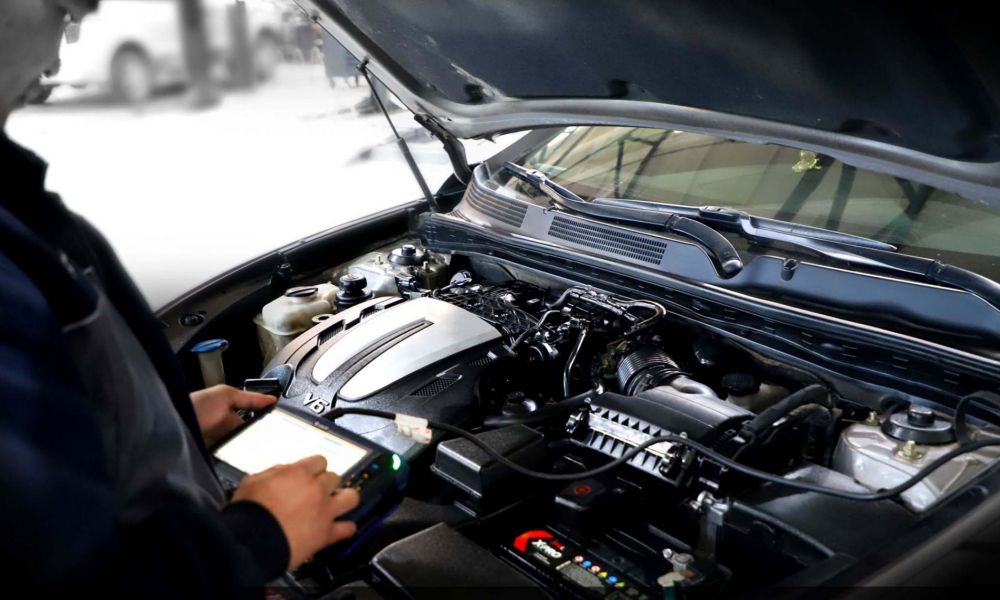
The safety of your vehicle depends on functional brakes. Now you must prioritize regular inspections for optimal performance. The braking system requires constant attention from every driver. Sometimes the mechanical parts wear down from heavy usage. You need to identify early signs of potential failure. Elite Auto Works provides expert guidance for maintaining your stopping power. Proper care prevents expensive damage to your commute. Consistent checks ensure your family remains safe on the road.
Monitoring Brake Pad Thickness Regularly
The brake pads provide the necessary friction for stopping. You should check the thickness of these pads often. Sometimes thin pads cause metal to rub against metal. This friction creates heat and ruins your expensive rotors. But you can avoid this by looking through wheels. Now thin pads appear like a small sliver. You must replace them before the material disappears completely. Elite Auto Works offers professional inspections to verify your pad health. Most pads have a small wear indicator for drivers. This tiny metal tab squeals when the pads get low. You should listen for high pitched noises during stops.
Inspecting The Condition Of Your Brake Rotors
The rotors must remain smooth for effective braking performance. Sometimes heat causes these large metal discs to warp. You might feel a vibration through the steering wheel. But smooth rotors allow the pads to grip perfectly. Now you can see rust or deep grooves easily. These physical marks indicate it is time for service. You should run your finger over the cool metal. Rough surfaces suggest that the system needs immediate resurfacing. Elite Auto Works technicians evaluate the thickness of every rotor carefully. Heavy towing or steep hills stress these metal components. You should check them during every oil change session.
Checking Brake Fluid Levels And Fluid Quality
The brake fluid transfers pressure from your foot down. Sometimes moisture enters the closed system and ruins performance. You should look at the reservoir under the hood. The liquid should look clear or slightly golden yellow. But dark fluid indicates that contamination has occurred already. Now old fluid can boil during very heavy braking. This leads to a soft or spongy pedal feel.
Evaluating The Health Of Your Brake Lines
The rubber hoses carry hydraulic pressure to the calipers. Sometimes these lines crack due to age or weather. You should look for leaks or wet spots nearby. But even small cracks can lead to total failure. Now the brake lines must remain flexible and strong. You should inspect the connections for any signs of rust. Corroded lines might burst under sudden hard braking pressure. Proper Auto Repair in Castle Rock, CO requires checking every single hose. You must ensure that no lines are rubbing wheels. Salt on winter roads often causes these parts to fail. Secure lines keep the hydraulic pressure consistent and reliable.
