

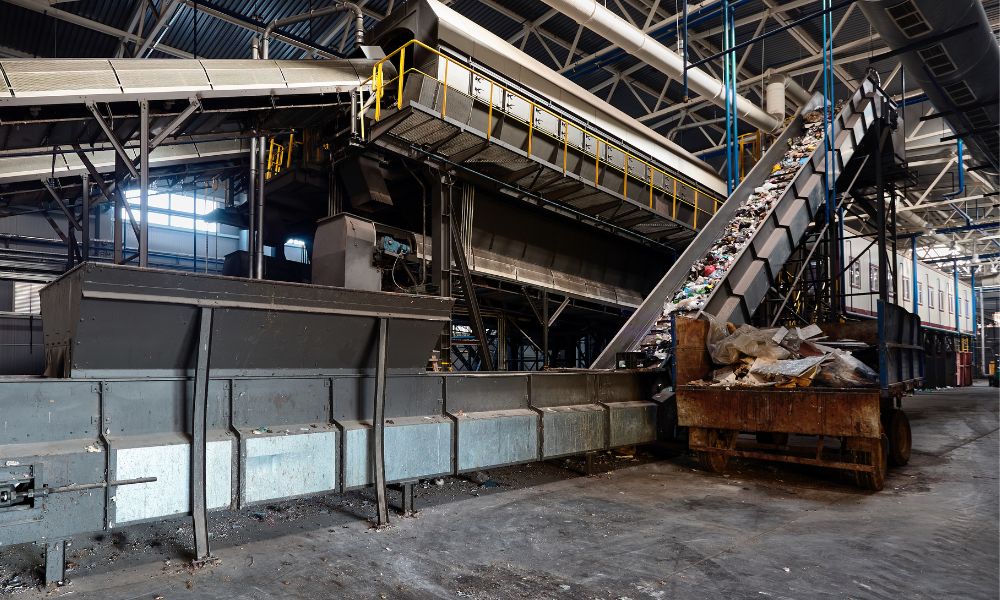
Modern industries take meaningful steps toward environmental protection while maintaining operational excellence. Among various industrial components, rotary airlock valves stand as crucial elements in creating environmentally conscious manufacturing processes.
-
Reduced material wastage and dust control
Material handling systems equipped with rotary airlock valves demonstrate exceptional capabilities in preventing product loss. These valves create a reliable seal between different pressure zones, ensuring materials move efficiently through the system without spillage. The precise metering action maintains consistent material flow, minimizing overfeeding and underfeeding scenarios that often lead to waste generation.
-
Enhanced energy efficiency in pneumatic systems
The integration of these valves in pneumatic conveying systems leads to optimized energy consumption. By maintaining proper pressure differentials and preventing air leakage, the system requires less power to operate effectively. Reducing energy usage directly reduces carbon emissions and environmental impact.
-
Material recovery and recycling advancement
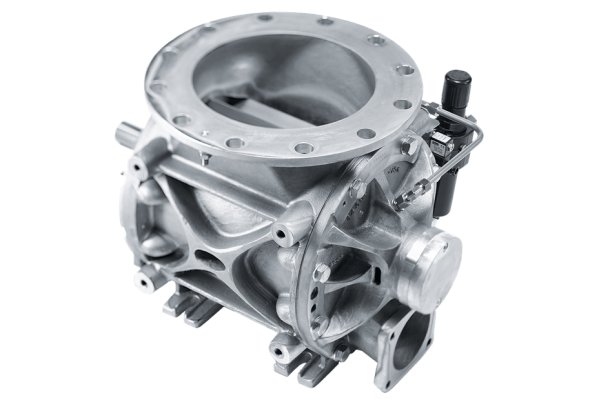
Modern manufacturing facilities prioritize material recovery systems. Rotary airlock valves enable efficient collection and recycling of airborne particles and fine materials that would otherwise escape into the atmosphere. This systematic approach to material recovery reduces landfill waste and promotes sustainable resource utilization.
-
Clean air management and emission control
Industrial processes generate various airborne particles that require proper management. The implementation of rotary airlock valves in dust collection systems ensures effective containment of particulate matter. This containment prevents contamination of the surrounding environment and protects air quality in industrial zones.
-
Temperature regulation and thermal efficiency
Processing systems often involve temperature-sensitive operations. Rotary airlock valves maintain stable temperature conditions by preventing unnecessary heat exchange between different sections of the processing line. This thermal efficiency reduces the energy required for temperature control and contributes to overall environmental sustainability.
-
Waste reduction through precise material handling
Manufacturing facilities implementing rotary airlock valves experience significant improvements in material handling precision. The controlled rotation and sealed operation ensure exact material quantities move through the system, preventing overflow and underflow situations that create waste.
-
Water conservation and protection
Industrial operations near water bodies benefit from the containment properties of these valves. Rotary airlock valves prevent material spillage that could contaminate water sources, protecting aquatic ecosystems and maintaining water quality standards in industrial areas.
-
Noise pollution reduction
Industrial noise affects both workers and surrounding communities. The sealed operation of these valves contributes to quieter material handling processes. This reduction in noise pollution creates a more environmentally friendly workplace and minimizes disturbance to nearby residential areas.
-
Extended equipment lifecycle benefits
Properly maintained valve systems demonstrate impressive longevity. This extended operational life reduces the frequency of replacement and minimizes the environmental impact associated with manufacturing and disposing of industrial equipment.
-
Workplace environmental quality
Industrial facilities prioritize clean working environments. The containment properties of these valves prevent dust accumulation in work areas, maintaining air quality and reducing the need for frequent cleaning operations that might require chemical cleaners.
-
Compliance with environmental standards
Modern environmental regulations require strict emission control measures. These valves help facilities meet and exceed environmental compliance requirements through their efficient material handling and containment properties.
While maintaining efficient and productive production processes, industries maintain commitment to the environment by focusing on these environmental benefits. The implementation of proper material handling systems contributes to achieving environmental protection goals in industrial settings.
